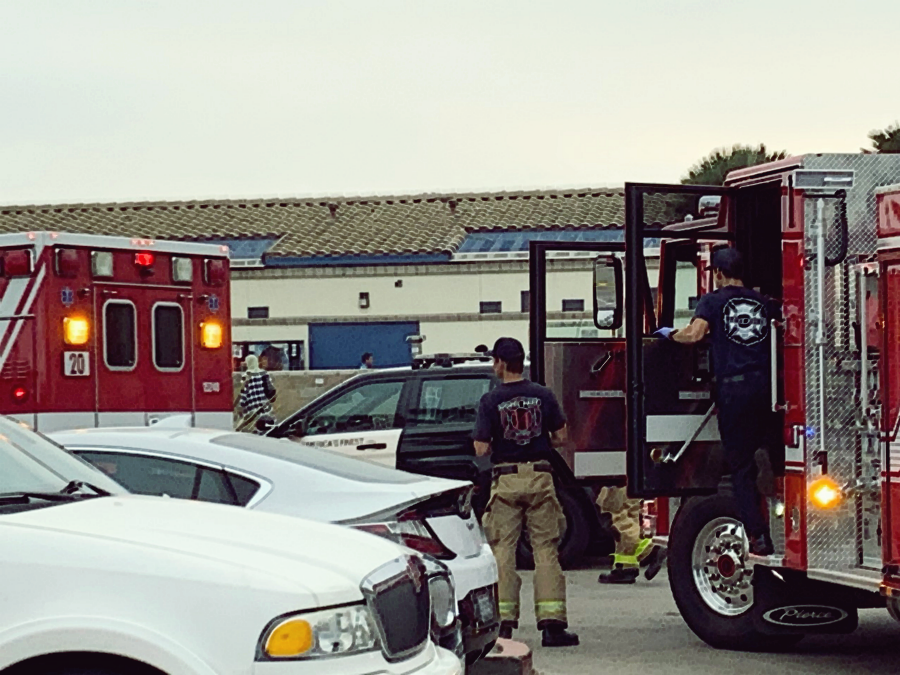
Have you been involved in an accident? Please contact us immediately for a FREE CONSULTATION


If you were injured in Pennsylvania, knowing what to evaluate before you hire a personal injury attorney can protect you from mistakes that cost money and time. Before signing an agreement with any lawyer, it helps to understand what separates an experienced advocate from one who may leave money on the table.
Pennsylvania personal injury attorneys work on contingency, which means you pay no upfront fee and no hourly rate. The attorney collects a percentage of what is recovered at the end of the case. If nothing is recovered, no fee is owed. That structure matters because it means the attorney's financial interest is directly aligned with yours.
Before signing a retainer, ask what the contingency percentage is and whether it changes if the case goes to trial. Ask which costs, such as expert fees, court filing fees, and medical record requests, are deducted from the recovery and at what point. Understanding the full fee picture before you sign prevents surprises later.
A free initial consultation is not just a chance for the attorney to evaluate your case; it is your opportunity to evaluate the attorney. Bring your police report, medical records, and any photos from the scene, and ask the following:
How many personal injury cases have you handled in Pennsylvania? Experience in the state matters because Pennsylvania's tort system has specific rules, including the full tort versus limited tort election (a distinction that affects every car accident claim), the 51 percent comparative fault bar under 42 Pa. Cons. Stat. Section 7102, and the two-year statute of limitations under Section 5524, that differ from other states.
Will you personally handle my case, or will it be passed to a junior associate? Large firms sometimes sign clients and then transfer the file. Know who will actually be managing your matter.
Have you handled cases similar to mine? A firm that has tried truck accident cases brings different experience than one focused primarily on slip and fall claims. Match the attorney's track record to your case type.
Not every personal injury attorney is equally equipped. Watch for attorneys who guarantee a specific outcome, since no lawyer can promise a result. Outcome guarantees violate professional ethics rules and are a sign the attorney is more interested in signing you up than serving you well.
Be cautious of firms that are hard to reach after the initial meeting. Responsiveness during the intake process often reflects how the firm operates once you are a client. Also be alert to pressure to settle quickly; early low offers from insurance companies rarely reflect the full value of a claim, and an attorney who pushes you to accept without full investigation may not have your best interest in mind.
A good Pennsylvania personal injury attorney keeps you informed at every stage, explains what is happening and why, and returns calls and emails within a reasonable time. You should know who is handling your file, what the current status is, and what the next step will be.
The attorney should also be candid about the strengths and weaknesses of your case. A lawyer who only tells you what you want to hear is not preparing you for real outcomes. Honest assessment of liability, damages, and litigation risk is part of what good representation looks like.
| What to Verify | Why It Matters |
| Active Pennsylvania bar license | Confirms the attorney can practice in PA courts |
| Contingency fee percentage in writing | Prevents fee disputes after settlement |
| Named attorney on your file | Ensures you know who is responsible for your case |
| Track record in your case type | Relevant experience affects strategy and outcomes |
| Clear communication policy | Sets expectations for updates and response times |
Do I need an attorney for a personal injury claim in Pennsylvania?
You are not legally required to have one, but claims handled by attorneys statistically result in higher recoveries. Insurance companies have professional adjusters and lawyers; you benefit from having the same.
How long do I have to decide whether to hire an attorney?
Pennsylvania's statute of limitations gives you two years from the date of injury to file suit under 42 Pa. Cons. Stat. Section 5524, but waiting reduces the time available to gather evidence. Consulting an attorney early is always the safer approach.
What if I cannot afford to hire a personal injury lawyer?
Personal injury attorneys in Pennsylvania work on contingency, so there is no cost to hire one. You pay only if money is recovered on your behalf.
Can I switch attorneys if I am unhappy with my current representation?
Yes. You have the right to change attorneys at any stage of your case. Your previous attorney may be entitled to a fee for work already performed, but that is settled between the attorneys and does not prevent you from making a change.
What should I bring to a free consultation?
Bring the police or incident report, any photos of the scene and your injuries, your medical records and bills, and documentation of any lost wages. The more complete your records, the more productive the consultation.
When you are ready to speak with a Pennsylvania personal injury attorney, contact Edelstein Martin & Nelson, LLP for a free consultation. We are available 24 hours a day, seven days a week with no obligation.
Last reviewed: June 2026
This post was reviewed by Lawren Nelson, licensed in Pennsylvania since 1996.
This content is for informational purposes only and does not constitute legal advice. Reading this post does not create an attorney-client relationship. Every case is different; contact a licensed Pennsylvania attorney to discuss the specific facts of your situation.

Car accidents are stressful, overwhelming, and often life-changing. In the blink of an eye, your...

A “crisis of affordability” is what Pennsylvania physicians and hospitals are assessing as the issue...

There are thousands of motorcycle crashes in Pennsylvania every year. Pennsylvania motorcycle accidents often result...
Note: Independent sources were used to create this post, including news stories, witness statements, social media posts, and first-hand accounts about the accident and injuries involved. As a result, the details of the accident that are represented have not been independently verified by our own writing staff. If you find incorrect information or would like the post to be removed, please contact us immediately. We will correct the inaccurate information or will remove the post completely.
Injured in a Similar Accident?
If you or a loved one was injured in an accident like the one described above, you may have legal options. Contact our team today for a free consultation and case evaluation. Call us at 888-630-4409 to discuss your situation.





Email: [email protected]
Edelstein Martin & Nelson Disclaimer | Privacy Policy | Terms and Conditions | © Copyright | All Rights Reserved.