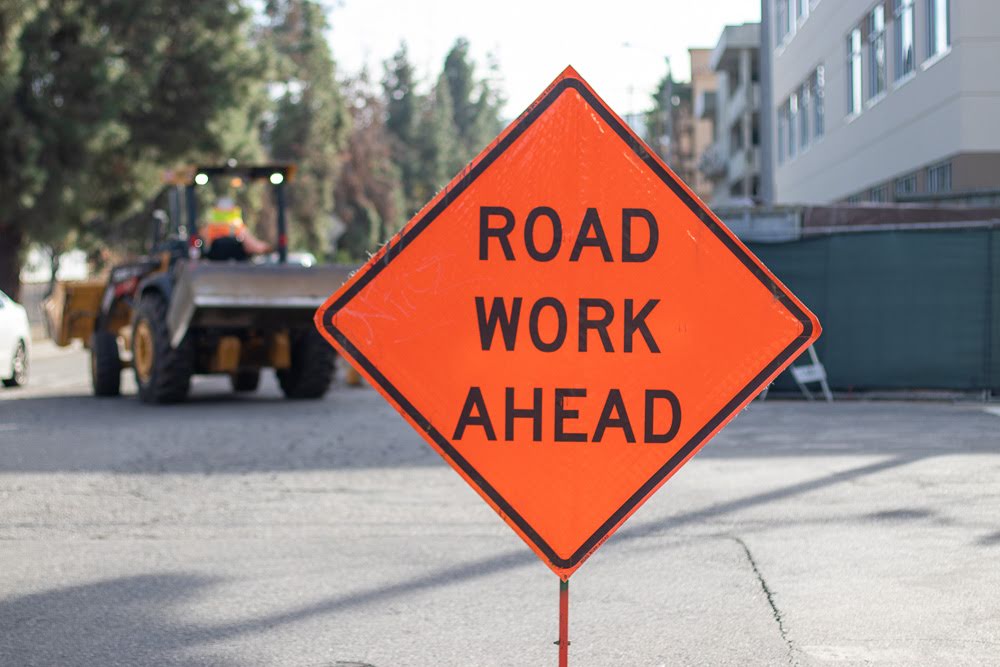

Construction surrounds daily life in Philadelphia. Crews rebuild streets, repair utilities, and expand transit across many neighborhoods. Drivers, pedestrians, and cyclists pass through work zones every day. While construction supports growth, it also creates serious injury risks across the city.
Residents often notice cones, detours, and temporary barriers near Center City, University City, and South Philadelphia. Major corridors like Broad Street, Market Street, and I-95 frequently remain under construction. These projects change how people move and interact with streets. Unfortunately, they also increase accidents and injuries.
Keep reading to find out how construction zones can contribute to increasing the risk of accidents in Philly.
Philadelphia experiences near-continuous construction. Aging infrastructure requires frequent repair. New development also drives long-term projects in growing neighborhoods.
Center City often sees sidewalk closures and narrowed lanes. University City hosts a major institutional expansion. Fishtown and Northern Liberties face ongoing utility and housing projects. South Philadelphia sees frequent road resurfacing and utility work.
These projects disrupt familiar traffic patterns. Drivers encounter sudden lane shifts and unclear signage. Pedestrians face blocked sidewalks and improvised crossings. Cyclists often lose bike lanes without warning. These changes create confusion and heighten risk.
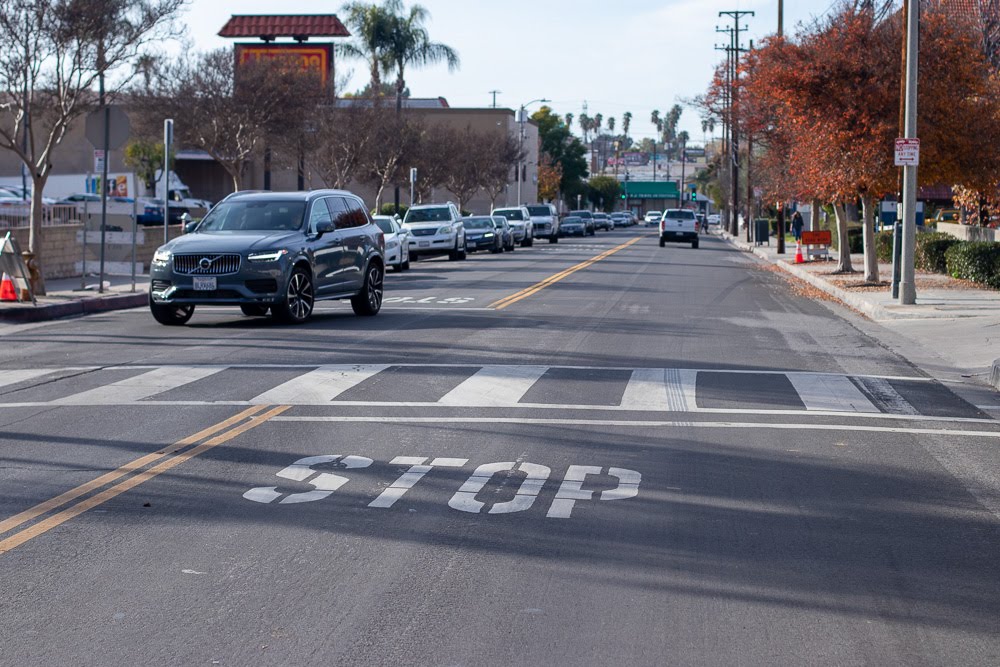
Construction zones change how vehicles move through neighborhoods. Lanes narrow or disappear entirely. Traffic shifts into opposing lanes or temporary paths.
Drivers must merge suddenly or follow temporary markings. In busy areas, this leads to abrupt stops and sideswipe collisions. Rear-end crashes increase where traffic slows unexpectedly.
Philadelphia’s dense traffic compounds these issues. Congestion already strains patience and attention. Construction adds complexity and frustration. Drivers make mistakes under pressure.
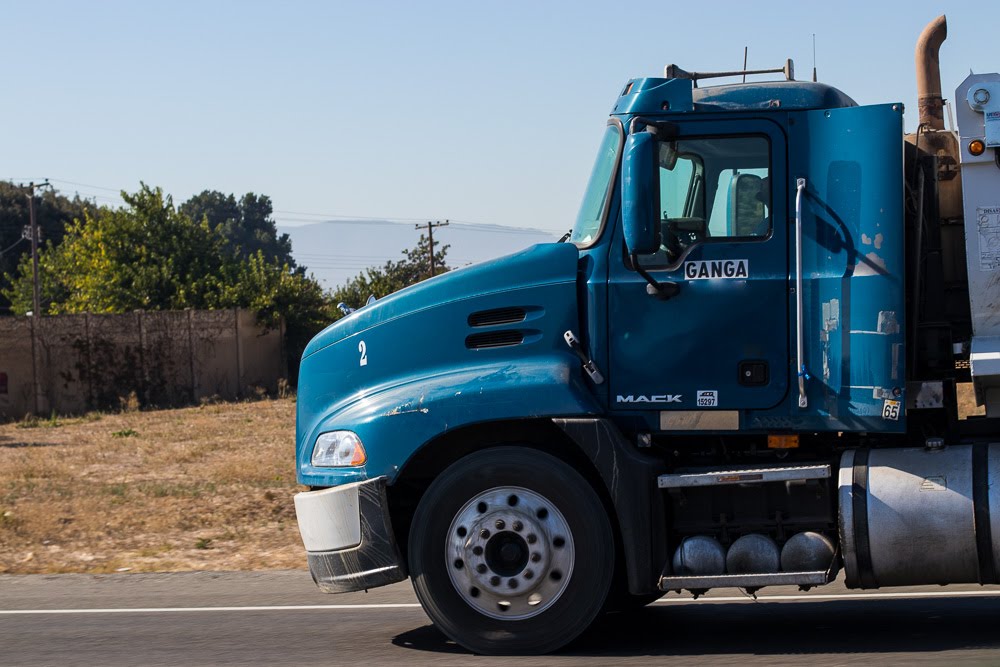
Delivery trucks and buses also struggle in work zones. Large vehicles need more space to maneuver. Tight lanes increase the risk of striking cars, cyclists, or barriers.
These altered traffic patterns contribute significantly to road work injuries in Pennsylvania statistics.
Pedestrians face unique risks near construction zones. Sidewalk closures force people into streets or narrow passages. Temporary walkways often lack proper barriers.
In Center City, foot traffic remains heavy even during construction. Tourists, commuters, and residents navigate crowded sidewalks daily. When construction blocks normal routes, people step into traffic unexpectedly.
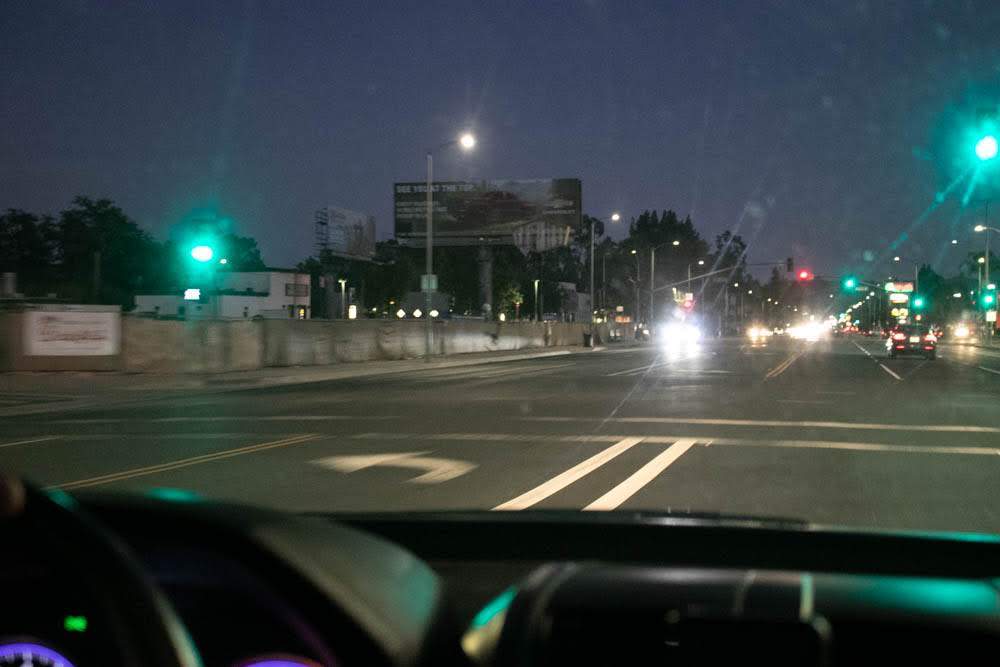
Poor lighting around work zones also increases danger. Temporary lighting may not illuminate crossings clearly. Nighttime visibility drops, especially in the winter months.
Children, older adults, and people with disabilities face even greater risk. Uneven surfaces and unclear paths increase fall hazards. Construction injury risks Philly residents face often involve pedestrians.
Cyclists rely on predictable lanes and signals. Construction zones often remove bike lanes without replacement. Riders must merge into vehicle traffic suddenly.
In neighborhoods like West Philadelphia and Center City, bike usage continues to rise. When construction disrupts bike infrastructure, accidents increase. Drivers may not expect cyclists in general lanes.
Debris from construction also poses hazards. Gravel, metal, and uneven pavement increase crash risk. Cyclists may lose control or swerve into traffic.
These conditions make construction zones particularly dangerous for riders.
Construction introduces hazards beyond traffic changes. Uneven pavement creates tripping and vehicle control risks. Open trenches and steel plates add instability.
Poor signage causes confusion. Temporary signs may conflict with permanent signals. Drivers struggle to interpret right-of-way quickly.
Construction equipment also creates blind spots. Cranes, trucks, and barriers block sightlines. Drivers may not see pedestrians or cyclists until too late.
Flaggers sometimes manage traffic flow. However, human error or miscommunication can cause dangerous situations. Sudden stops or releases of traffic increase collision risk.
Weather worsens these hazards. Rain makes steel plates slippery. Snow obscures temporary markings. Construction injury risks in Philly increase during poor conditions.
Many people assume accidents near construction always involve an at-fault driver. Responsibility often proves more complex. Multiple parties may contribute to unsafe conditions.
Drivers must follow posted warnings and slow appropriately. However, construction companies must maintain safe zones. They must place clear signs, barriers, and lighting.
Property owners and contractors share responsibility for sidewalk safety. Municipal agencies also oversee permitting and compliance.
When safety measures fail, injuries become more likely. Understanding this shared responsibility helps injured people recognize that accidents are not always personal failures.
Road work injury cases in Philadelphia often involve overlapping responsibilities that need careful review.
Construction zone accidents often cause serious injuries. Reduced space leaves little room to avoid impact. Barriers and equipment increase collision force.
Pedestrians struck near work zones often suffer significant trauma. Vehicles travel close to walking areas. Escape routes disappear. Cyclists hit in construction areas also face severe harm. Sudden lane loss exposes riders to faster traffic. Protective buffers vanish.
Workers face danger as well. Construction crews operate near live traffic. Even with precautions, injuries occur when drivers make errors.
These factors explain why construction zone accidents in Philadelphia frequently lead to lasting consequences.
After an accident near construction, medical care matters first. Prompt treatment documents injuries clearly. Consistent follow-up supports recovery.
Documenting the scene also helps. Photos of signage, barriers, and conditions preserve important details. Construction zones change quickly, so early documentation matters.
Reporting the incident to authorities creates records. Police reports and incident logs support clarity later.
Avoid assuming fault immediately. Construction environments are complex. Many factors may contribute to an injury.
Construction zone injuries involve many moving parts. Multiple companies may operate on one site. Permits, subcontractors, and agencies overlap.
Insurance companies often dispute responsibility. They may point to other parties or unclear conditions. This leads to delays and frustration.
Philadelphia residents often feel overwhelmed by this complexity. Clear guidance helps injured people understand options without unnecessary stress.
Construction zone injuries disrupt lives suddenly. Medical bills, missed work, and pain create pressure. Uncertainty adds emotional strain.
Speaking with someone who understands these cases brings clarity. Guidance helps identify responsible parties and next steps. It also helps injured people avoid common pitfalls.
Early conversations often prevent long delays and confusion. Knowledge empowers better decisions during recovery.
Construction keeps Philadelphia moving forward, but safety must remain a priority. When work zones cause injuries, victims deserve answers and support.
At Edelstein Martin & Nelson, we help injured Philadelphia residents navigate construction-related injury cases. We explain options clearly and focus on practical solutions. Our team understands local conditions and common challenges.
If you suffered an injury near a construction zone, guidance is available. Call Edelstein Martin & Nelson at (215) 731-9900 to discuss your situation with our Philadelphia construction accident lawyer.

Individuals harmed by the negligent misconduct of others may take legal action to recover financial...

You were injured by another party, and you are interested in taking legal action to...

Bus accidents are not as common as other accidents on our roads in the state...
Note: Independent sources were used to create this post, including news stories, witness statements, social media posts, and first-hand accounts about the accident and injuries involved. As a result, the details of the accident that are represented have not been independently verified by our own writing staff. If you find incorrect information or would like the post to be removed, please contact us immediately. We will correct the inaccurate information or will remove the post completely.
Injured in a Similar Accident?
If you or a loved one was injured in an accident like the one described above, you may have legal options. Contact our team today for a free consultation and case evaluation. Call us at 888-630-4409 to discuss your situation.



Edelstein Martin & Nelson Disclaimer | Privacy Policy | Terms and Conditions | © Copyright | All Rights Reserved.