Have you been involved in an accident? Please contact us immediately for a FREE CONSULTATION
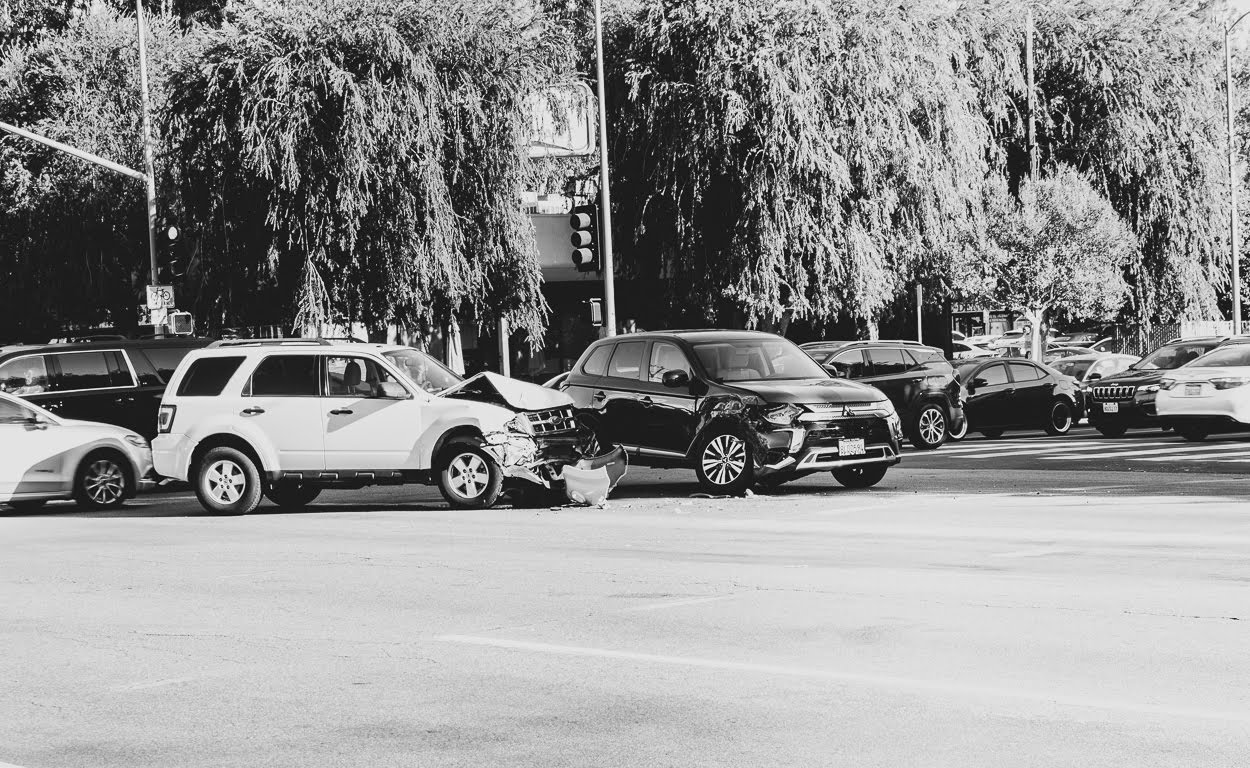

Philadelphia is a city where road design, traffic volume, and driver behavior have long collided in ways that produce serious injuries. Some stretches of road account for a disproportionate share of the crashes that send people to emergency rooms every year, and for anyone who has been hurt in an accident, to know where those patterns exist and why makes a real legal significance. The circumstances of a crash, including the road conditions, intersection design, and traffic controls in place at the time, can all bear directly on how liability is determined and how a claim is evaluated.
For injury victims in Pennsylvania, the question of where an accident happened is more than background detail. It can open lines of investigation into whether a government entity, a property owner, or another driver bears some share of responsibility for what happened. Pennsylvania personal injury law accounts for the fact that fault in a crash frequently extends beyond the person behind the wheel.
Some roads generate higher accident rates because of structural features that create predictable risks, not just because more vehicles travel them. According to data from PennDOT, the 11-mile segment of Roosevelt Boulevard that runs through Philadelphia is the deadliest road in the state. Officials say one out of twelve accidents that result in death or injury in Philadelphia happen in the Boulevard.
These designations reflect specific physical realities: the Boulevard is six lanes wide in both directions, many drivers frequently exceed the speed limit, and unfamiliar drivers usually have difficulty managing its complex layout. These are not random variables, they are design features that transportation planners and safety researchers have studied for years.
Intersections pose a heightened risk because of the convergence of traffic moving in multiple directions. Left turns that cross the path of oncoming vehicles require precise timing and consistent adherence to traffic rules from every driver involved. Inadequate signage, poorly maintained pavement, or limited visibility can compound these dangers significantly. When those conditions are present at a known high-risk location, they may be relevant to how a personal injury claim is built and argued.
The intersections that appear most frequently in Philadelphia crash data tend to share common physical traits that go beyond traffic volume alone. Roosevelt Boulevard intersections at Grant Avenue, Red Lion Road, and Cottman Avenue have been persistent focal points for safety concerns, as have locations along Broad Street. These high-risk spots share characteristics including excessive speeds, red-light running, complex intersection designs, heavy pedestrian activity, and inadequate safety infrastructure.
The intersection of Grant Avenue and Roosevelt Boulevard has earned a particular reputation as one of the most dangerous junctions in the state. Philadelphia has attempted to address the problem by installing red-light cameras on both streets, though it remains unclear whether those measures have materially reduced the frequency of crashes. Red Lion Road is another Roosevelt cross-street that has been flagged repeatedly in safety studies and was among the earliest sites targeted for red-light camera installation.
From a legal standpoint, these intersections matter because documented crash histories are a form of evidence. When a road or intersection has a well-established record of accidents, that history can be relevant to claims involving negligent road maintenance, inadequate traffic control, or government liability.
In some cases, yes; though to establish that road conditions contributed to a crash requires more than pointing to a dangerous location. Pennsylvania law allows injured people to pursue claims against government entities under certain circumstances when negligent road design, deferred maintenance, or inadequate signage contributed to a crash. These claims follow different procedural rules than standard driver-versus-driver negligence cases and commonly involve shorter notice deadlines.
More commonly, road conditions factor into how fault is allocated between the drivers involved. If poor sight lines at an intersection, missing signage, or road surface defects contributed to what happened, that context becomes part of the investigation into how the accident unfolded.
Evidence gathered at the scene such as photographs, traffic study data or maintenance records can help establish whether anything beyond driver error played a role. PennDOT's Pennsylvania Crash Information Tool makes historical crash data publicly available, which attorneys and accident reconstruction experts can use to document patterns at a specific location.
Pennsylvania follows a modified comparative negligence rule, codified at 42 Pa.C.S.A. § 7102, which allows injured individuals to recover damages even if they share some fault in the incident, with compensation reduced proportionally based on their degree of fault. The practical implication is that a person who was partly responsible for what happened is not automatically barred from recovery. However, the percentage of fault assigned to them directly reduces the amount they can collect.
Under this law, an injured person can seek compensation as long as their own negligence does not exceed 50 percent. Once a person is found to be 51 percent or more at fault, they are completely barred from recovering any damages.
This rule matters enormously in practice because insurance companies routinely argue that injured claimants bear a greater share of fault than the evidence actually supports. Insurance companies regularly open with a high fault estimate to discourage claims, but a skilled attorney can present evidence that significantly reduces the assigned percentage.
The strength of a personal injury claim in Pennsylvania is heavily tied to the quality of evidence collected in the aftermath of a crash. Police reports, photographs of the scene, vehicle damage documentation, and witness contact information are the foundational pieces. At high-accident intersections with red-light cameras or nearby surveillance systems, footage may be available but usually must be requested quickly before it is overwritten.
Medical records are equally important. Treatment that begins promptly and continues consistently creates a documented record of the injuries, their severity, and the care required to address them. Gaps in treatment or delays in seeking medical attention give insurance adjusters room to argue that the injuries were less serious than claimed or were unrelated to the crash.
Beyond immediate documentation, crash reconstruction experts and traffic safety professionals can be brought in to analyze whether road design, sight distance problems, or signal timing contributed to the collision. In cases that involve locations with documented accident histories, this kind of analysis can support the argument that the hazard was known and foreseeable.
Insurance companies evaluate claims based on coverage, liability, and damages. Insurers approach the fault analysis in ways that serve their financial interests. When an accident occurs at a notoriously dangerous intersection, insurers may argue that the road conditions were simply part of the environment every driver navigates, placing the burden back on the drivers themselves. They may also investigate whether the injured party was speeding, distracted, or otherwise contributed to the collision, using any such finding to reduce the claim's value.
Claims adjusters are trained to gather information early, and the statements injured people make in the days right after a crash can be used to limit what they recover. This is particularly relevant on roadways where multiple factors are in play and where the assignment of fault may be contested.
Yes, but it depends on the circumstances. If a government entity was responsible for maintaining the road and a known defect or design problem contributed to the crash, there may be grounds for a separate claim against that entity. These cases involve specific notice requirements and procedural rules that differ from standard car accident claims, so prompt legal consultation is important.
Pennsylvania's comparative negligence law allows you to recover compensation even if you share some responsibility for the crash, as long as your fault does not exceed 50 percent. The amount you can recover is reduced by your percentage of fault.
In most car accident cases, Pennsylvania's statute of limitations gives injured people two years from the date of the accident to file a claim. Missing that deadline typically ends the ability to recover compensation, so it is worth speaking with an attorney well before that window closes.
It can. A documented history of crashes at a specific location may be relevant to showing that a hazard was known and foreseeable, which can support arguments about road maintenance, traffic control, or the standard of care expected of drivers using that road. How much weight that evidence carries depends on the specific facts of the claim.
If you were injured in a car accident in Philadelphia, the facts of where and how the crash happened matter to how your claim is evaluated. An attorney experienced in Pennsylvania personal injury law can review the circumstances of your accident, identify the relevant parties, help preserve critical evidence, and assess how Pennsylvania's fault rules apply to your situation.
When insurance companies dispute liability or push back on the seriousness of your injuries, legal representation makes it possible to respond with evidence rather than just argument.
If you have questions about your rights after an accident, contact Edelstein Martin & Nelson at (215) 731-9900 to discuss the details of your situation. We serve injury victims throughout Philadelphia and across Pennsylvania, and we are available to solve your doubts.

A child’s car seat is incredibly important for keeping children safe when they are riding...

When a crash occurs, many accident victims assume they are dealing with a single insurance...

All states in the country require their drivers to carry some amount of automobile insurance....
Note: Independent sources were used to create this post, including news stories, witness statements, social media posts, and first-hand accounts about the accident and injuries involved. As a result, the details of the accident that are represented have not been independently verified by our own writing staff. If you find incorrect information or would like the post to be removed, please contact us immediately. We will correct the inaccurate information or will remove the post completely.
Injured in a Similar Accident?
If you or a loved one was injured in an accident like the one described above, you may have legal options. Contact our team today for a free consultation and case evaluation. Call us at 888-630-4409 to discuss your situation.



Address
123 S Broad St #1820
Philadelphia, PA 19109



Email: [email protected]
Edelstein Martin & Nelson Disclaimer | Privacy Policy | Terms and Conditions | © Copyright | All Rights Reserved.