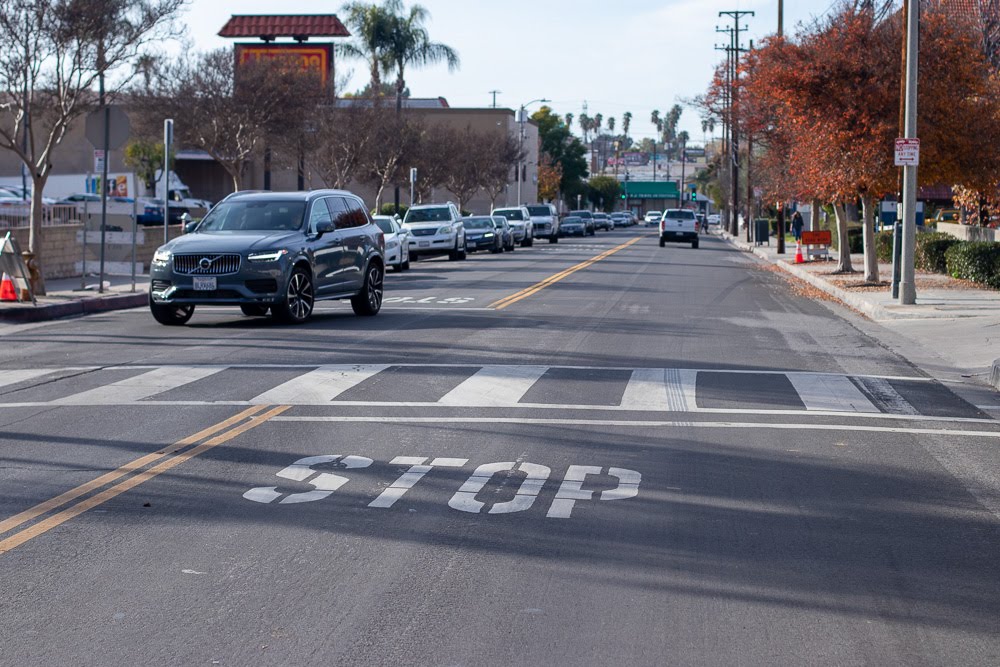
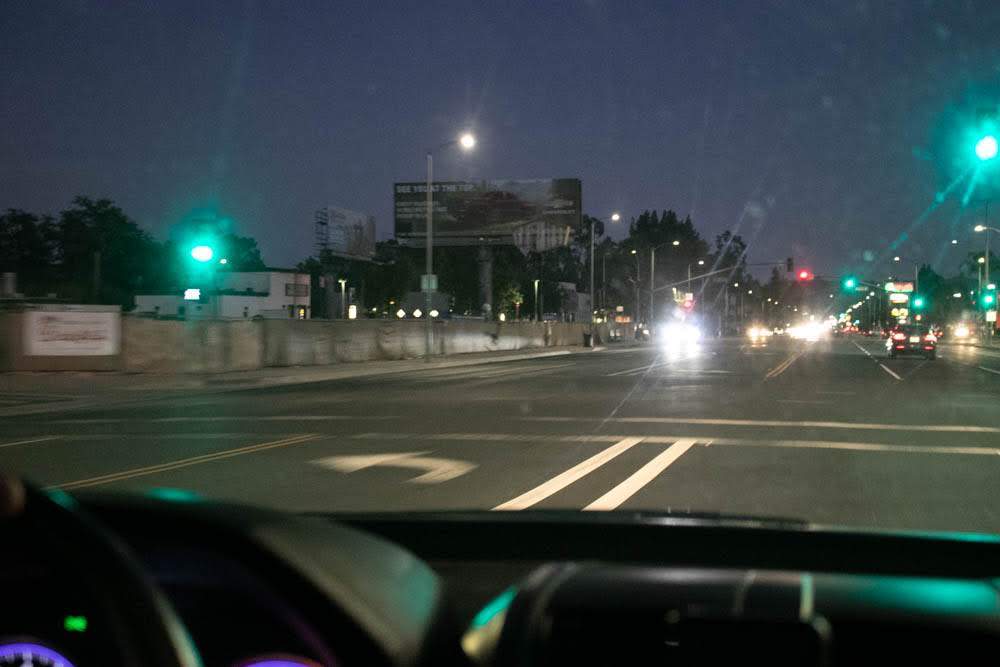
Car accident laws vary from state to state, and Hawaii has its own specific rules that govern how accidents are handled legally. One important aspect is Hawaii’s no-fault insurance system. This system means that after an accident, your insurance typically pays for your medical expenses up to a certain limit, regardless of who caused the crash.
No-fault insurance helps speed up medical payments, but it does not cover all damages. If your injuries meet certain severity criteria or if you have suffered serious property damage, you may have the right to file a personal injury claim against the at-fault driver.
Understanding what typically causes accidents can help you avoid risks and also prepare if you become a victim. Common causes include:
According to the Hawaii Department of Transportation, distracted driving and speeding contribute to a significant percentage of crashes each year, emphasizing the importance of safe driving habits.
If you have been involved in a car accident in Hawaii, it’s important to take the right steps to protect your legal rights:
Because Hawaii has a no-fault insurance system, many injuries are initially covered by your own insurance through PIP. However, you can file a personal injury claim against the other driver if your injuries meet one of the following thresholds:
Meeting these thresholds allows you to pursue compensation for pain and suffering, lost wages, and other damages beyond what no-fault insurance covers.
Hawaii follows a comparative negligence system. This means that if you are partially at fault for the accident, your compensation will be reduced by your percentage of fault.
For example, if you are found to be 20% at fault, and the total damages are $100,000, your compensation would be reduced to $80,000. This rule highlights the importance of gathering evidence and having legal support to minimize your liability.
You have a limited window to file a lawsuit after a car accident. In Hawaii, the statute of limitations for personal injury claims is two years from the date of the accident.
Failing to file within this period usually means you lose the right to sue for damages. It’s best to consult with an attorney as soon as possible to ensure your case is filed timely and properly.
If you file a successful personal injury claim, you may be entitled to several types of compensation, including:
Having clear documentation of all damages will strengthen your case and help you receive fair compensation.
Car accident laws can be complex, and insurance companies often try to minimize payouts. Hiring an experienced attorney who understands Hawaii’s laws and insurance system is critical to protect your rights.
A skilled lawyer will:
This guidance can make a significant difference in the outcome of your case.
Recovering from a car accident is not just about physical healing. The emotional toll and financial strain can be overwhelming. You need a legal team that listens to your concerns and fights for your best interests with compassion and dedication.
At this difficult time, know that you are not alone. Seeking help early can ease the burden and help you move forward with confidence.
If you or a loved one has been involved in a car accident in Hawaii, consider speaking with a knowledgeable attorney to review your case. Even if you are unsure about your eligibility to file a claim, a free consultation can provide clarity and guidance tailored to your unique situation.
Early legal advice helps protect your rights and ensures you don’t miss important deadlines.
If you want help navigating this complex process, the team at Leavitt, Yamane & Soldner is ready to assist. With years of experience in personal injury law and a strong record of success, they provide professional, compassionate support every step of the way.
Call 808-537-2525 today for a free, no-obligation consultation. Your recovery matters, and having the right legal help can make all the difference.

Philadelphia, PA (February 28, 2025) – Authorities reported that a Philadelphia police officer is recovering...

Pittsburgh, PA (December 3, 2024) – According to local authorities, one person was injured in...

If you've been injured in a car accident in Pennsylvania, you may be wondering how...
Note: Independent sources were used to create this post, including news stories, witness statements, social media posts, and first-hand accounts about the accident and injuries involved. As a result, the details of the accident that are represented have not been independently verified by our own writing staff. If you find incorrect information or would like the post to be removed, please contact us immediately. We will correct the inaccurate information or will remove the post completely.
Injured in a Similar Accident?
If you or a loved one was injured in an accident like the one described above, you may have legal options. Contact our team today for a free consultation and case evaluation. Call us at 888-630-4409 to discuss your situation.



Edelstein Martin & Nelson Disclaimer | Privacy Policy | Terms and Conditions | © Copyright | All Rights Reserved.