
When a personal injury claim is filed after an accident, the insurance company typically conducts its own investigation before deciding whether to accept or deny liability and what compensation may be appropriate. This investigation is part of the standard claims process and plays a major role in how personal injury disputes are resolved in Pennsylvania.
Insurance companies use these investigations to gather facts, review medical records, analyze accident reports, and evaluate the extent of injuries. The information collected helps the insurer determine who may be responsible for the accident and how damages should be assessed.
For injured victims in Philadelphia and throughout Pennsylvania, the investigation stage often shapes the direction of settlement discussions or potential litigation.
Insurance companies investigate claims to determine whether their policyholder is legally responsible for the accident and to evaluate the amount of damages involved. The investigation also helps insurers verify the accuracy of the claim and assess potential exposure under the insurance policy.
In Pennsylvania personal injury cases, liability and damages must be supported by evidence. An insurance company's review focuses on the accident circumstances, the severity of the injuries, and the connection between the accident and medical treatment.
Insurers also examine whether other parties may share responsibility for the accident. Pennsylvania follows a comparative negligence rule, which means compensation may be reduced if an injured person is partly at fault.
The legal framework is explained in the state’s comparative negligence statute under the Pennsylvania Comparative Negligence Act.
The injury claim investigation process usually begins soon after the accident is reported to the insurer. An insurance adjuster is assigned to gather information and evaluate the claim.
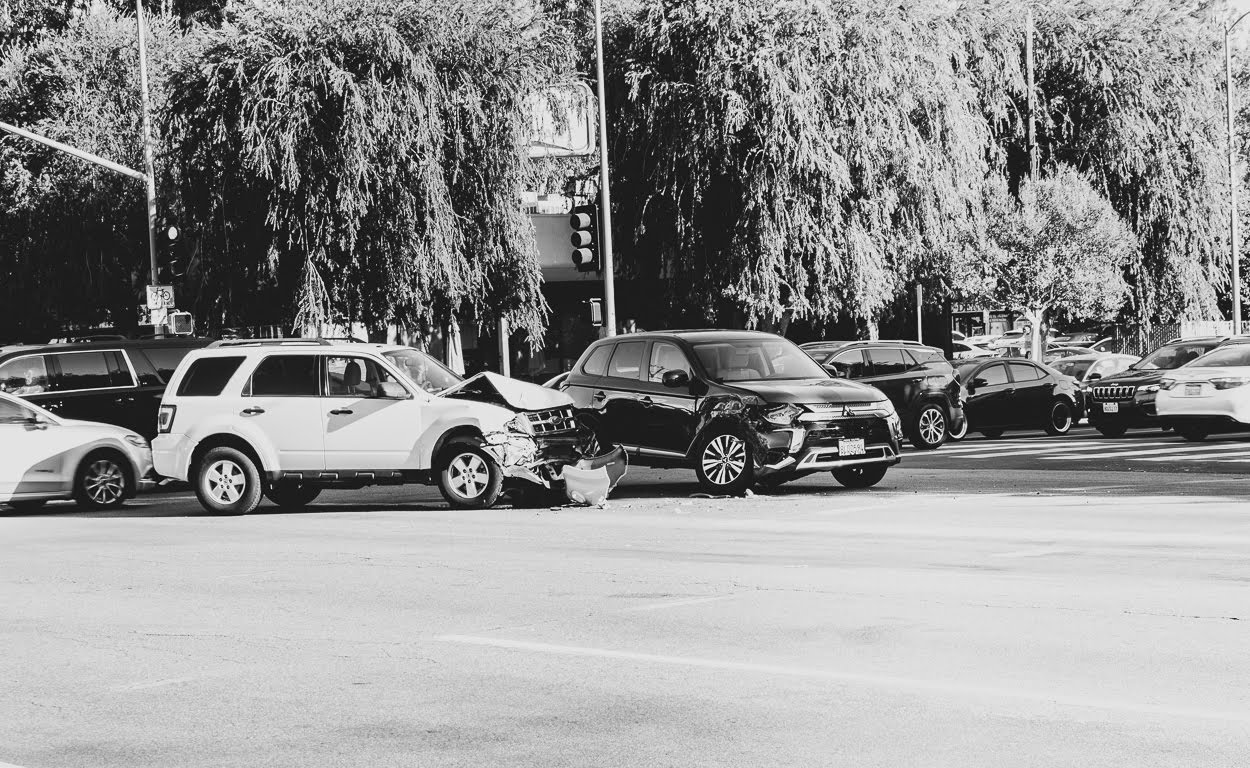
The adjuster may review accident reports, contact witnesses, and examine property damage photographs. In car accident cases, police reports and roadway data can provide valuable details about how the crash occurred.
Agencies such as the Pennsylvania Department of Transportation publish safety information and traffic data that insurers sometimes reference when analyzing accident trends.
Medical documentation is also reviewed closely. Insurance companies evaluate treatment records, diagnoses, and physician opinions to determine how the injuries developed and whether the treatment is consistent with the accident.
This stage of the investigation may determine whether the insurer accepts liability or disputes parts of the claim.
An insurance adjuster in Pennsylvania focuses on liability, injury severity, and the connection between the accident and the medical condition. These elements help determine whether the claim meets the legal requirements for compensation.
Adjusters begin by reviewing the initial accident report and statements from the involved parties. If witnesses were present, their statements may also be collected to clarify how the accident occurred.
Medical records play an equally large role. Insurers review hospital records, imaging studies, and physician reports to confirm the type and extent of the injuries. Medical authorities provide widely recognized explanations of injury conditions, which insurers sometimes reference when reviewing medical documentation.
If the adjuster finds inconsistencies between the accident description and medical findings, the insurer may request additional documentation before continuing the claim review.
Insurance companies determine fault by analyzing evidence related to the accident. Liability decisions often rely on accident reports, physical evidence, witness statements, and expert evaluations.
Pennsylvania follows a modified comparative negligence system. Under this rule, an injured person may still recover damages if they are less than 51 percent responsible for the accident, although compensation may be reduced based on their share of fault.
Insurance investigators look for evidence that shows how the accident occurred. In vehicle collisions, factors such as speeding, distracted driving, or failure to yield may be evaluated.
If liability remains disputed, the claim may proceed to negotiations or litigation where additional evidence can be presented.
Evidence is central to any personal injury claim investigation. Insurance companies rely on documentation to confirm the facts of the accident and the extent of the injuries.
Medical records carry significant weight. These documents show when treatment began, what injuries were diagnosed, and whether physicians believe the injuries are related to the accident.
Other common forms of evidence include accident reports, photographs, repair estimates, and witness statements. Employment records may also be examined if the claim involves lost wages or reduced earning capacity.
Insurance companies compare these records to the claimant’s description of the accident and injuries. Consistent documentation often strengthens a claim during negotiations with the insurer.
The length of an insurance investigation varies depending on the complexity of the claim. Simple cases involving minor injuries and clear liability may be reviewed relatively quickly, while more serious accidents may require extended investigation.
Several factors can affect the timeline. Insurers may wait until medical treatment stabilizes so they can evaluate the full scope of the injury. Delays can also occur if additional medical records, expert evaluations, or witness statements are needed.
Pennsylvania insurance regulations require insurers to handle claims in a reasonably prompt manner, but the timeline may still vary depending on the amount of evidence involved and the severity of the injuries.
Once the personal injury claim investigation is complete, the insurer issues a decision about liability and damages. The company may accept responsibility, deny the claim, or offer a settlement based on its evaluation.
Settlement discussions often begin after the investigation concludes. At this stage, both sides review medical costs, lost income, and other damages to determine whether a negotiated resolution is possible.
If the parties cannot reach an agreement, the claim may proceed to litigation in a Pennsylvania court. During litigation, additional evidence can be presented, and a judge or jury may ultimately decide the outcome.
Yes, most claims are reviewed through some form of investigation. Insurance companies typically gather accident reports, medical records, and statements before making decisions about liability and compensation.
Yes. If the insurer believes the evidence does not support liability or damages, the claim may be denied. Disputes about fault or the cause of injuries sometimes lead to negotiations or litigation.
Insurance adjusters tend to contact claimants during the investigation stage. Those involved in an accident may choose to review their rights or seek legal guidance before providing recorded statements.
Medical records, accident reports, photographs, and witness statements often play a large role in injury claims. Consistent documentation linking the accident to the injuries may influence how insurers evaluate the case.
Insurance investigations often shape the outcome of personal injury claims in Pennsylvania. The evidence collected, the evaluation of liability, and the documentation of injuries can all influence how insurers approach settlement discussions.
At Edelstein Martin & Nelson, our personal injury attorney can review accident reports, medical records, and other evidence to evaluate how a claim may be viewed during the insurance investigation process.
Legal representation may also assist with communications with insurers, claim documentation, and negotiations when disputes arise.
After you have been injured in a crash in Philadelphia or elsewhere in Pennsylvania, consider speaking with our legal team about your situation and the options available for compensation. Call Edelstein Martin & Nelson today at (215) 731-9900 to get started.

Losing a loved one in an accident is one of life’s most painful experiences. When...

When a physician, medical professional, or healthcare provider is negligent with their care and actions...

No automobile accident is expected or easy to handle, even minor accidents like fender benders....
Note: Independent sources were used to create this post, including news stories, witness statements, social media posts, and first-hand accounts about the accident and injuries involved. As a result, the details of the accident that are represented have not been independently verified by our own writing staff. If you find incorrect information or would like the post to be removed, please contact us immediately. We will correct the inaccurate information or will remove the post completely.
Injured in a Similar Accident?
If you or a loved one was injured in an accident like the one described above, you may have legal options. Contact our team today for a free consultation and case evaluation. Call us at 888-630-4409 to discuss your situation.




Edelstein Martin & Nelson Disclaimer | Privacy Policy | Terms and Conditions | © Copyright | All Rights Reserved.