Have you been involved in an accident? Please contact us immediately for a FREE CONSULTATION
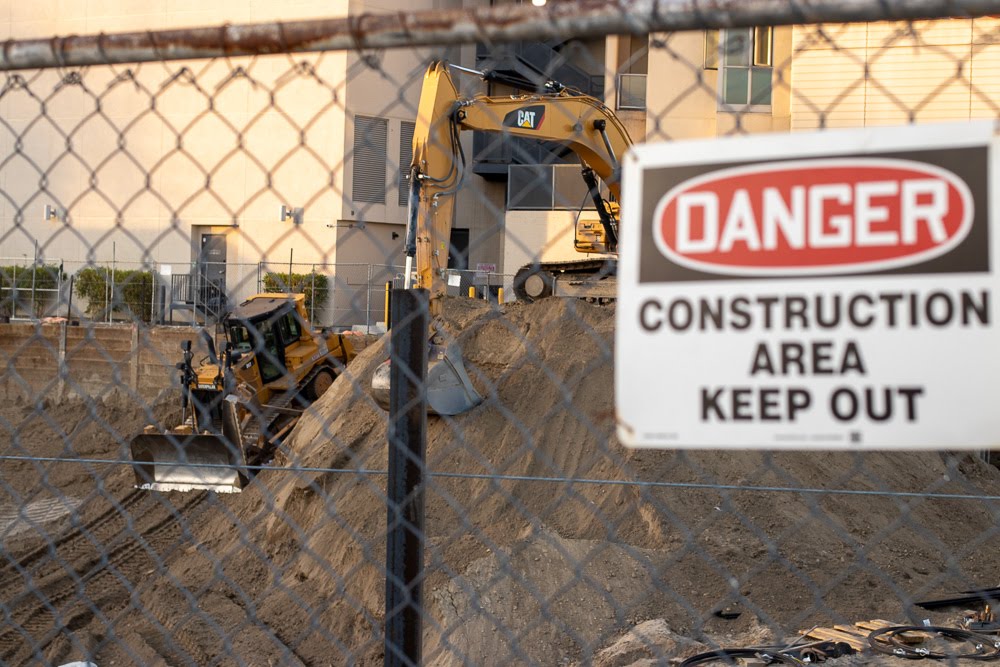

Philadelphia is one of the most construction-heavy cities in the Northeast, with major infrastructure projects that run simultaneously across the city's busiest corridors. The ongoing I-95 reconstruction effort, bridge rehabilitation projects along Route 611, and long-term road improvements throughout the five-county Philadelphia region have created a persistent patchwork of work zones that drivers encounter on almost every commute. For injury victims, this environment raises real questions about who is responsible when a crash happens and what the claims process looks like under Pennsylvania law.
Construction zone accidents are not simply ordinary car crashes with a different backdrop. They involve a layered set of potential defendants, specific statutory rules, and evidence that can disappear quickly as the work zone changes around the crash site.
According to PennDOT data, in 2025 there were around 1,400 work zone crashes across Pennsylvania, resulting in 12 fatalities. The most common contributing factors include excessive speed, careless lane changes, and following too closely. These factors become significantly more dangerous in the compressed, unpredictable conditions of an active construction area.
It is useful to understand how these accidents are treated under Pennsylvania personal injury law for anyone who has been hurt in a work zone crash. The rules governing fault, evidence, and compensation differ in meaningful ways from a standard motor vehicle collision, and the presence of multiple responsible parties can significantly affect the value and complexity of a claim.
Active work zones reduce lane widths, shift traffic patterns, lower speed limits, and place workers and equipment in proximity to moving vehicles. These factors combine to create sudden hazards that drivers may not have enough time to respond to safely. Rear-end collisions and sideswipe crashes are particularly common in construction areas, where traffic can stop or slow without warning and merging lanes create tight decision points for drivers at highway speeds.
The physical environment of a construction zone also shapes the severity of injuries that result from crashes. Concrete jersey barriers, construction equipment left near active lanes, and uneven pavement transitions can all amplify the force of an impact or create secondary hazards after the initial collision. Traumatic brain injuries, spinal injuries, and fractures are among the injury types documented in work zone crash cases, and the severity of those injuries often drives the damages component of a claim.
From a legal standpoint, the conditions inside a construction zone can cut in multiple directions. A poorly maintained or improperly designed zone may support a negligence claim against the contractor. At the same time, an insurer representing an at-fault driver may argue that the injured party contributed to the crash by failing to slow down or follow posted warnings. How those competing arguments are resolved depends heavily on the evidence gathered in the early stages of a claim.
Liability in a work zone accident rarely falls on a single party. Depending on the circumstances, responsibility may fall on negligent drivers, construction contractors who fail to provide adequate signage or properly manage traffic patterns, or government entities such as PennDOT or municipalities if oversight duties were neglected. Each category of defendant brings its own legal framework, evidence requirements, and insurance considerations.
When a private contractor is responsible for maintaining the work zone, liability claims focus on whether the zone met the standards set , which governs signage, lane taper geometry, and advance warning requirements. Violations of MUTCD standards are treated as evidence of negligence, and a noncompliant work zone constitutes direct evidence that the contractor failed to meet its duty of care.
Claims involving PennDOT or a municipality as a defendant are more complicated. Sovereign immunity laws limit lawsuits against the state unless specific exceptions apply under 42 Pa.C.S. § 8522(b). These claims often require earlier notice of the intent to sue and a different evidentiary framework than a standard negligence case against a private party. To identify all potentially liable parties at the start of a case,it frequently determines the full scope of compensation available to an injured victim.
Pennsylvania follows a modified comparative negligence standard, which means that fault can be divided among multiple parties including the injured person. Under 42 Pa.C.S. § 7102, an injured person may still recover damages even if partially at fault, as long as their share of fault does not exceed 50%. Any damages awarded are reduced proportionally by the plaintiff's percentage of responsibility.
In construction zone cases, insurance adjusters frequently argue that the injured driver was speeding, following too closely, or ignoring posted warnings, which works as an attempt to assign enough comparative fault to reduce or eliminate the claim. This is one of the most common tactics used during insurance investigations, and it makes the quality of early evidence collection especially important. Statements made at the scene, recorded statements given to adjusters, and gaps in medical treatment can all be used to argue that the plaintiff contributed to the injury.
Pennsylvania doubles traffic fines for speeding, careless driving, and failure to obey traffic control devices within active work zones. While this reflects the state's recognition of the danger these areas pose, it also creates a dynamic where insurance companies may point to a work zone violation as grounds for reducing a claim's value. How fault is ultimately assigned, whether by negotiation or a jury, depends on the totality of evidence about what conditions were present in the zone and how each party behaved.
Work zone crash sites change rapidly. Lane configurations shift, signs are moved, equipment is repositioned, and repaving can alter the appearance of the surface where a crash occurred. This makes prompt evidence preservation one of the most consequential steps in a construction zone accident claim. Photographs taken at or near the time of the crash, police reports, traffic control plans filed with PennDOT, and contractor maintenance records can all be central to establishing both liability and damages.
Witness statements from other drivers and, when applicable, from construction workers present at the time of the crash carry significant weight. Security footage, dashboard cameras, and highway surveillance video are usually available for a limited time before being recorded over. An attorney can send a preservation letter to put relevant parties on notice that evidence must be retained, which is often the first protective step taken in a serious work zone claim.
Medical documentation ties directly to the damages portion of a claim. Records that establish the nature and severity of injuries, the treatment received, and the expected future impact on the victim's health and ability to work form the foundation of any damages calculation.
When a crash involves a private contractor's work zone, the insurer that defends the contractor will conduct its own investigation, typically focused on whether the zone met applicable safety standards. These investigations can move quickly and are designed to identify arguments that either shift blame to the driver or minimize the severity of the plaintiff's injuries. Adjusters may reach out to injured victims early in the process to obtain recorded statements before legal counsel is involved.
Multi-party claims present additional complications. When a crash potentially involves both an at-fault driver and a negligent contractor, two or more separate insurance carriers may be involved, and each one is seeking to assign as much fault as possible to the other parties. Insurance companies often start with a high fault estimate to discourage claims, but the fault percentage isn't fixed until a jury makes its final determination.
Settlement negotiations in construction zone cases often require expert input, including accident reconstructionists and traffic engineering specialists who can evaluate whether the zone complied with applicable standards. The involvement of experts tends to extend the timeline of a claim but can also meaningfully shift the liability analysis in a victim's favor when the evidence supports it.
Pennsylvania's general statute of limitations for personal injury claims is two years from the date of the accident. If a government entity such as PennDOT or a municipality is a potential defendant, shorter notice requirements may apply, which makes it important to seek legal guidance promptly after the crash.
Yes, in most cases. Pennsylvania's comparative negligence law allows recovery as long as your share of fault does not exceed 50 percent. Your compensation would be reduced by your percentage of fault. This means that if you were found 20 percent responsible, you would recover 80 percent of your total damages.
A contractor's failure to maintain adequate signage, barriers, or lane markings can support a negligence claim against that party directly. Evidence of noncompliance with PennDOT's traffic control standards or the federal MUTCD guidelines is relevant to establishing the contractor's liability in those circumstances.
It can. State highway projects typically involve PennDOT oversight and may implicate sovereign immunity considerations for any claims against the state itself. Local road projects can involve a city or county as a potentially responsible party. The identity of the project owner affects which legal rules apply and how quickly a claim must be filed.
If you were injured in a work zone accident in Philadelphia or anywhere in Pennsylvania, a Pennsylvania personal injury attorney can give you a clearer picture of your options before you make decisions that can affect your claim. An attorney can review the accident report, identify all potentially liable parties, assess what evidence still exists and how to preserve it, and evaluate how Pennsylvania's comparative fault rules may apply to your specific situation.
If you were injured in a construction zone crash and have questions about your rights under Pennsylvania law, our team at Edelstein Martin & Nelson can help you clear all your doubts. We can review your case and evaluate what legal options may be available for you.
To learn more, contact Edelstein Martin & Nelson at (215) 731-9900 to schedule a consultation and discuss what steps make sense for your situation.

In the aftermath of a personal injury event like a Pennsylvania car accident, victims can...

Slip and fall accidents can happen in several ways and result in serious injuries and...

Motorcycle accidents usually lead to catastrophic damages for those who drive and ride on the...
Note: Independent sources were used to create this post, including news stories, witness statements, social media posts, and first-hand accounts about the accident and injuries involved. As a result, the details of the accident that are represented have not been independently verified by our own writing staff. If you find incorrect information or would like the post to be removed, please contact us immediately. We will correct the inaccurate information or will remove the post completely.
Injured in a Similar Accident?
If you or a loved one was injured in an accident like the one described above, you may have legal options. Contact our team today for a free consultation and case evaluation. Call us at 888-630-4409 to discuss your situation.




Email: [email protected]
Edelstein Martin & Nelson Disclaimer | Privacy Policy | Terms and Conditions | © Copyright | All Rights Reserved.